How AI Is Revolutionizing Education and Personalized Learning
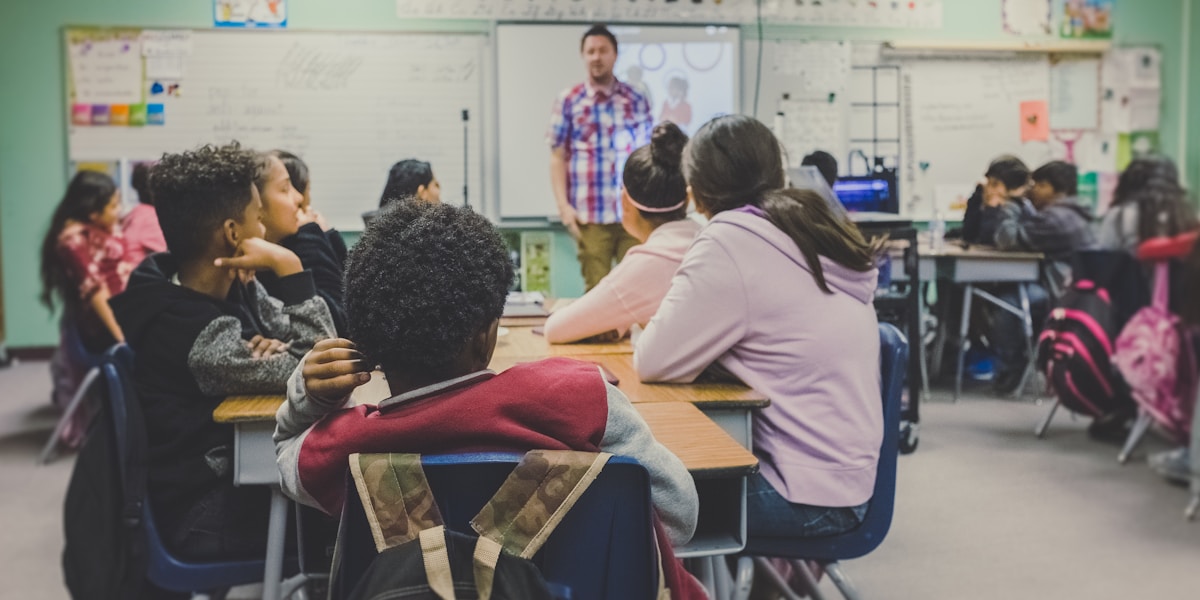
Education is undergoing its most significant transformation in centuries. AI-powered tools are making it possible to deliver truly personalized learning experiences — adapting to each student's pace, style, and goals in ways that traditional classrooms never could.
Personalized Learning Paths
One of AI's greatest contributions to education is the ability to create individualized learning paths. Instead of a one-size-fits-all curriculum, AI systems analyze each learner's strengths, weaknesses, and preferences to recommend the most effective next steps. A student struggling with algebra gets additional practice problems, while one who excels moves on to advanced topics.
Platforms like Khan Academy's AI tutor Khanmigo and Duolingo's adaptive language courses demonstrate this approach at scale. These systems continuously adjust difficulty levels, content types, and pacing based on real-time performance data.

AI Tutors and Adaptive Platforms
AI tutors provide something that was previously available only to the privileged few: one-on-one instruction available 24/7. These systems can explain concepts in multiple ways, answer follow-up questions with infinite patience, and provide immediate feedback on assignments.
For educators, AI tools handle time-consuming tasks like grading, generating quizzes, and tracking student progress — freeing teachers to focus on mentorship, creative instruction, and the human connections that make education meaningful.

Challenges and Ethical Considerations
Despite the promise, AI in education raises important questions. How do we ensure equitable access when not all students have reliable internet or devices? How do we protect student data privacy? And how do we maintain the critical thinking skills that come from struggling with difficult problems rather than getting instant AI answers?
The most effective approach treats AI as a complement to human teaching, not a replacement. Schools that have integrated AI successfully use it to augment teacher capabilities rather than substitute for human interaction and guidance.
Conclusion
AI is not replacing teachers — it's empowering them. By automating routine tasks and providing personalized support, AI allows educators to do what they do best: inspire, mentor, and guide. For learners of all ages, this means more effective, engaging, and accessible education than ever before.