Multimodal AI: When Machines See, Hear, and Understand
The latest generation of AI models doesn't just read text — it sees images, understands audio, processes video, and generates content across all these modalities. This convergence of capabilities is opening up entirely new possibilities for how we interact with technology.
How Multimodal Models Work
Traditional AI models were specialists: one for text, another for images, another for speech. Multimodal models like GPT-4o, Claude, and Gemini combine these capabilities into a single system. They use transformer architectures that can process different types of input — text, images, audio — through unified representations.
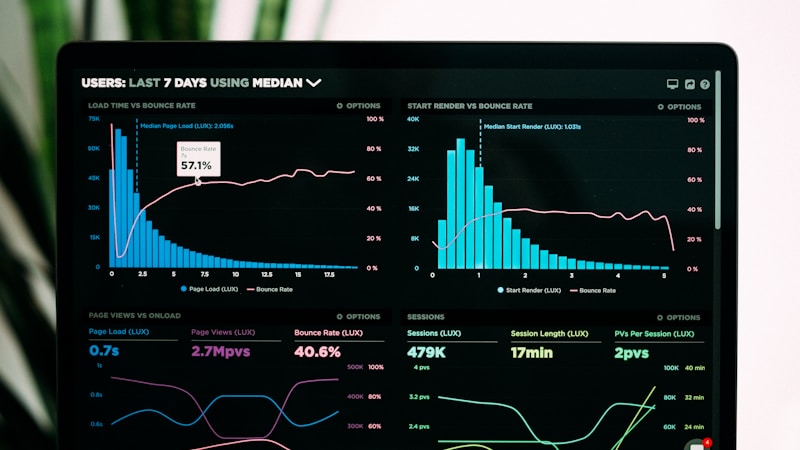
This means you can show the model a photograph and ask questions about it, upload a handwritten document for transcription, or have it analyze a chart and explain the trends it sees — all within the same conversation.
Practical Applications
In accessibility, multimodal AI is transformative. It can describe images for visually impaired users, generate captions for audio content, and translate sign language in real time. These capabilities are making digital content accessible to millions who were previously excluded.
Content creators use multimodal AI to generate images from text descriptions, edit photos with natural language instructions, and create video content at a fraction of the traditional cost. In healthcare, these models analyze medical imaging, correlate it with patient records, and assist clinicians in diagnosis.
What's Next for Multimodal AI
The next frontier is real-time multimodal interaction. Models that can see through your camera, hear your voice, and respond naturally — like having a knowledgeable assistant looking over your shoulder. Early versions of this are already available, and they're improving rapidly.
We're also seeing the emergence of models that can generate and edit video, compose music, and create 3D models from text descriptions. As these capabilities mature, the line between AI as a tool and AI as a creative collaborator will continue to blur.
Conclusion
Multimodal AI represents a fundamental shift toward more natural human-computer interaction. Instead of adapting our communication to fit the machine's limitations, we can now interact with AI the way we interact with each other — through a rich combination of words, images, and sounds.